Native Instruments has been sold. InMusic Brands, the U.S. parent of Akai Professional, Denon DJ, Numark, Rane, M-Audio, Moog, and Engine DJ, has signed a definitive agreement to acquire NI in full. That includes Traktor, Maschine, Komplete, Kontakt, Reaktor, and the broader iZotope, Plugin Alliance, and Brainworx stack that NI absorbed over the last few years. The deal was signed at Superbooth in Berlin and announced this morning by NI CEO Nick Williams.
If this looks like it came together fast, it apparently didn’t. The two companies announced an integration partnership in 2025 that brought NKS support to Akai’s MPK and M-Audio’s Oxygen controllers, and put NI sounds on the MPC standalone platform. Williams called that 2025 collab “the beginning of this story” in his announcement post. So the engagement was already there, and the deal this week made it substantially more formal.
Let’s take a step back and reframe: to a casual financial eye like my own, this was a rescue, not a strategic merger between two healthy companies. NI entered preliminary administration proceedings in late January, and according to a report from We Rave You cited in Mixonline’s coverage, NI was carrying around £250 million in debt against roughly £25 million in annual revenue. CDM’s Peter Kirn put the valuation question bluntly: the price tag here is, in his words, “uh, far from the valuation a few short years ago.” Translation: InMusic likely got a deal.
For NI users, the immediate read is simple – the lights stay on. Williams’ announcement says the products and platforms continue, the teams continue to ship and support, and the integration unfolds over the coming weeks. Cuts are likely (they almost always are in a deal like this) but the brands survive intact. And let’s be real: this is something that InMusic has done many times before when acquiring DJ brands.
The DJ market continues to consolidate

InMusic has been collecting DJ brands for years. Numark, Denon DJ, Rane, SoundSwitch; each acquired or built out at different points and each meant to chip into AlphaTheta’s stranglehold on the booth. If you’re being honest about the landscape of products actually used and sold in our market: this strategy hasn’t worked.
AlphaTheta (and their legacy name, Pioneer DJ) still owns the rider. Walk into virtually any club, festival, or pro venue in 2026 and you’re looking at CDJs and a DJM. Denon Prime decks do make appearances on the mobile and bedroom side, but “industry standard” still means Rekordbox-based setups.
Adding Traktor is the most interesting move InMusic has made in years. It could give them a software flag to fly alongside Engine DJ, and it’s a platform with real history at the elite end of the booth (Richie Hawtin and a generation of techno DJs ran Traktor for many years).
But software is terrifyingly cheap in an AI-first development era. Integrated hardware, brand reputation, and user base likely are more valuable than a software stack.
Where InMusic’s Denon DJ campaign has fallen short
A few honest critiques worth sitting with before we get optimistic about this deal:
- Software stickiness: Engine DJ has come a long way (cloud library, SoundSwitch lighting, on device keysync), but Serato and Rekordbox still hold the mindshare. Traktor used to be a third axis, and while it still has a decent amount of users who love it, it hasn’t been making sales waves for a while.
- Library and ecosystem: this is where AlphaTheta has “built a moat”, pushing people from introduction controllers to pro-level setups (with very few options inbetween). They’re continuing to push subscription revenue and trying to hold DJs into their ecosystem as much as they can.
- Hardware reliability under abuse. Anecdotal, but I’ve heard it from sound techs and rental houses over the years: Denon gear is great when it works, less forgiving than CDJs when it doesn’t. But that was also pre-CDJ-3000s, which those same sources have complained to me about build quality and reliability. There’s a clear market gap for bulletproof, great-build quality, repairable, and non-enshittified DJ hardware.
Traktor’s quiet decade
Traktor was once a feature-set leader in DJ software (I used to put it next to Virtual DJ in terms of a being a feature “proving ground” for our industry). Stems (before they were automated), remix decks, deep MIDI mapping, reliable timecode, the Z2 and S8 hardware. But in the last five or six years, Traktor stopped pushing forward. This was also the same time rumblings about ownership, layoffs, and future roadmaps kept coming up for NI.
The Kontrol S4 MK3 is from 2018. The Z1 and X1 got modest refreshes. The new Traktor MX2 (which we covered in October) is a competent two-channel controller but it’s not a flagship. Traktor Pro 4 added stems and a pattern player, sure, but Algoriddim’s djay had stems on iPad before NI got there.
InMusic now inherits both the strength (a DJ software platform with real DNA, deep mapping, cult-favorite hardware) and the deferred maintenance (a flagship that hasn’t had a real hardware refresh in seven years and a software side that lost its lead).
Both companies have been retreating from pro DJ hardware
Here’s a pattern worth naming: NI and InMusic have been quietly running parallel retreats from the pro-tier modular DJ hardware market.
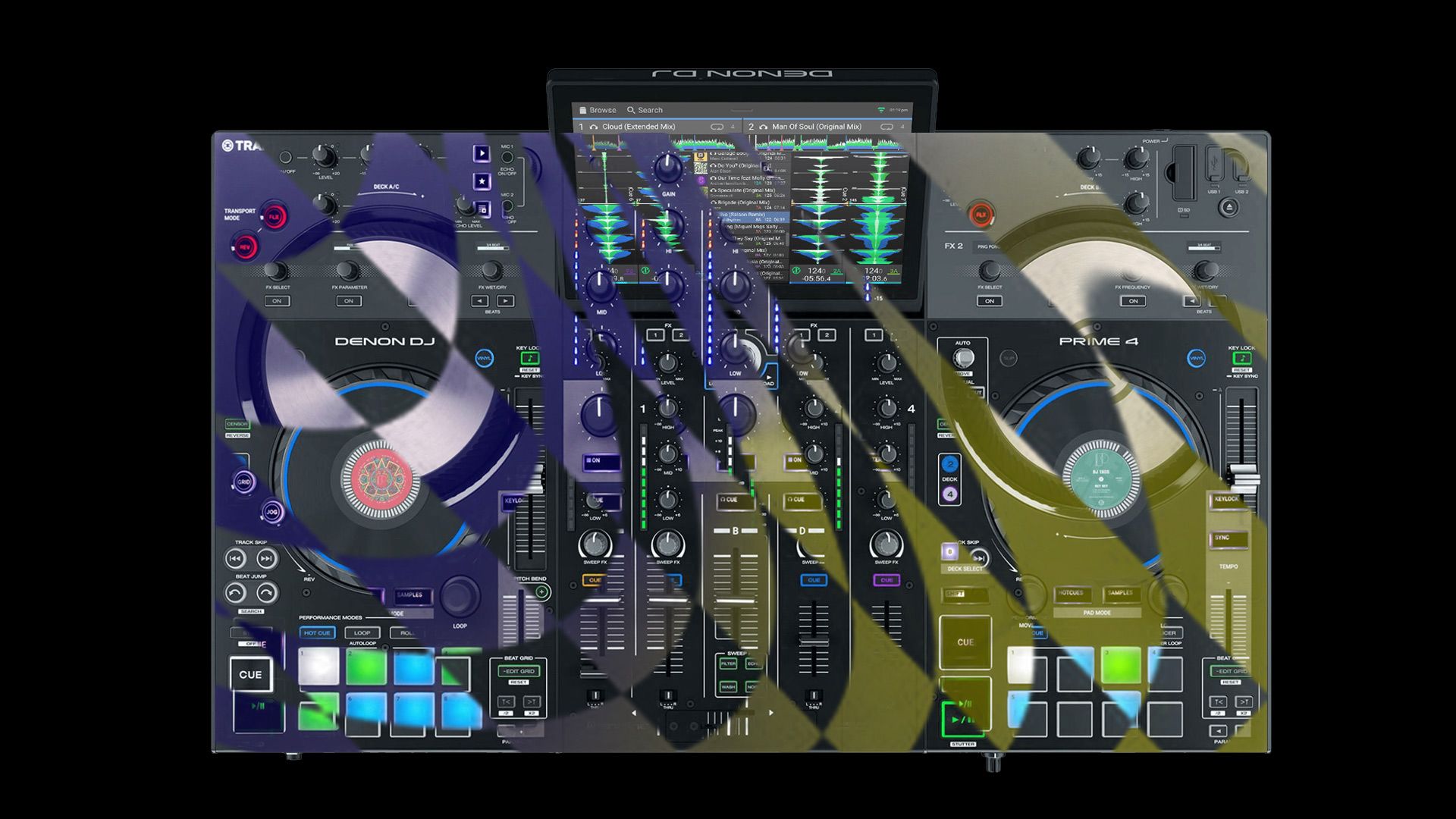
On the InMusic side, Denon’s SC6000 and SC6000M media players were a real swing at the CDJ lineup. They’ve gone away. The line has effectively ended here, for the moment. InMusic’s energy has shifted to all-in-ones (Prime 4+, the SC LIVE units, Prime Go+), which are great for mobile DJs but don’t put a dent in the club booth where two-player setups still dominate.
On the NI side, the Traktor Kontrol D2 (the dedicated deck companion controller for advanced Traktor workflows) and the F1 (the remix decks/loop unit) both came and went. The Z2 mixer, beloved by DVS users, has been long out of production. The S8 is gone. What’s left in the Traktor hardware lineup is consumer-tier and entry-level controllers (MX2, Kontrol S3), plus the aging S4 MK3.
Both companies abandoned the pro-tier modular DJ hardware tier at almost the same moment. That tells you something about the economics: the margins on bedroom and mobile gear are likely better, the volumes are absolutely higher, and the booth-grade product is hard to compete on against AlphaTheta.
The producer side: Maschine meets MPC
This is the part where the deal probably makes the most money. InMusic’s Akai makes the MPC line. NI makes Maschine. They’ve been competitors in the same market with very different ecosystems and very loyal users on each side. CDM nailed it: nobody is switching. Maschine die-hards stay, MPC die-hards stay.
Where the deal pays off is software cross-pollination. Some of it has already started, courtesy of last year’s NKS-on-MPC partnership. Expect more: Plugin Alliance and Brainworx instruments running natively on Akai hardware, Komplete Kontrol keyboards getting deeper hooks into the MPC environment, iZotope’s mastering and repair tools showing up everywhere InMusic ships gear. That stuff is real, and it’s likely to roll out fast.
There’s also a quieter overlap concern worth flagging. M-Audio, Akai, and NI all make MIDI keyboards. Three product lines, one parent company. CDM speculated that M-Audio could be the line that gets quietly thinned. We’ll see.
The Serato deal parallel
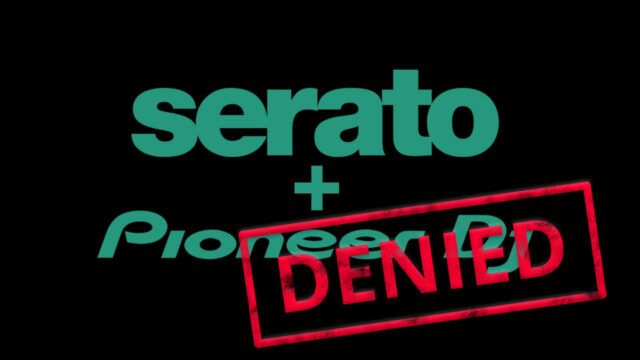
Anyone else having a bit of deja vu here? By industry rumor (one heard at NAMM more than once over the years), InMusic was in conversations about acquiring Serato more than a decade ago. AlphaTheta tried last year and got blocked by New Zealand’s Commerce Commission. Tiny ended up with 66% of Serato in April 2025. Now NI gets nabbed by InMusic instead. That’s three legacy DJ software platforms (Serato, Native Instruments, and arguably the rekordbox side via AlphaTheta’s own corporate moves) that have gone through major ownership shifts in roughly two years.
The era of the founder-owned DJ software company is functionally over. What replaces it is private equity, parent companies, and consolidation. Whether DJs end up with better tools or just fewer options is the question every working DJ should be watching. It feels like a great time to remind everyone that open-source software like Mixxx is a thing that still sees active development.
DJTT’s Take on this deal
I want this deal to be good. NI was clearly in trouble, and a fire-sale buyer who actually understands music tech beats the alternative (a private equity outfit looking to flip in five years, or worse, a wind-down). InMusic has a long track record of keeping legacy brands alive. Moog, Numark, Rane, all still ship product and live on.
But “kept alive” and “pushed forward” are different things. The honest question is: will InMusic invest the engineering capacity to turn Traktor back into a category leader and to push back into pro DJ hardware, or does Traktor shift into forever-maintenance mode while Engine DJ keeps getting the real attention? To me, those feel like very different futures.
The Maschine and Komplete side feels “safer”. Producers will get more cross-platform integration, MPC and Maschine workflows will probably stay separate initially but borrow from each other, and the plugin world (iZotope especially) gets a more aggressive parent.
For the professional DJ booth? AlphaTheta is still the giant and CDJs will reign supreme still. InMusic already made their strong play at the pro market. With Traktor, they’re not going to challenge that – but perhaps be more ok “doing their own thing” and carving out a niche that doesn’t care what mainstage artists are doing.